




Ryaan Ranch Wildlife Trust is focused on practical conservation rather than simply creating awareness. The Trust works around habitat, water, wildlife movement, community engagement, rescue response and conservation knowledge.

The Trust was officially registered in 2025 under the Indian Trusts Act, 1882, with its registered office in New Delhi.
Our conservation work is rooted in approximately 50 acres of privately owned agricultural land leased at Shankarkode, near the Nedumkayam Forest in Karulai, Malappuram, Kerala.
The location gives Ryaan Ranch a close connection to a forest-edge landscape regularly used by wild elephants and surrounded by a wider ecological system of forests, rivers, streams and natural habitats.
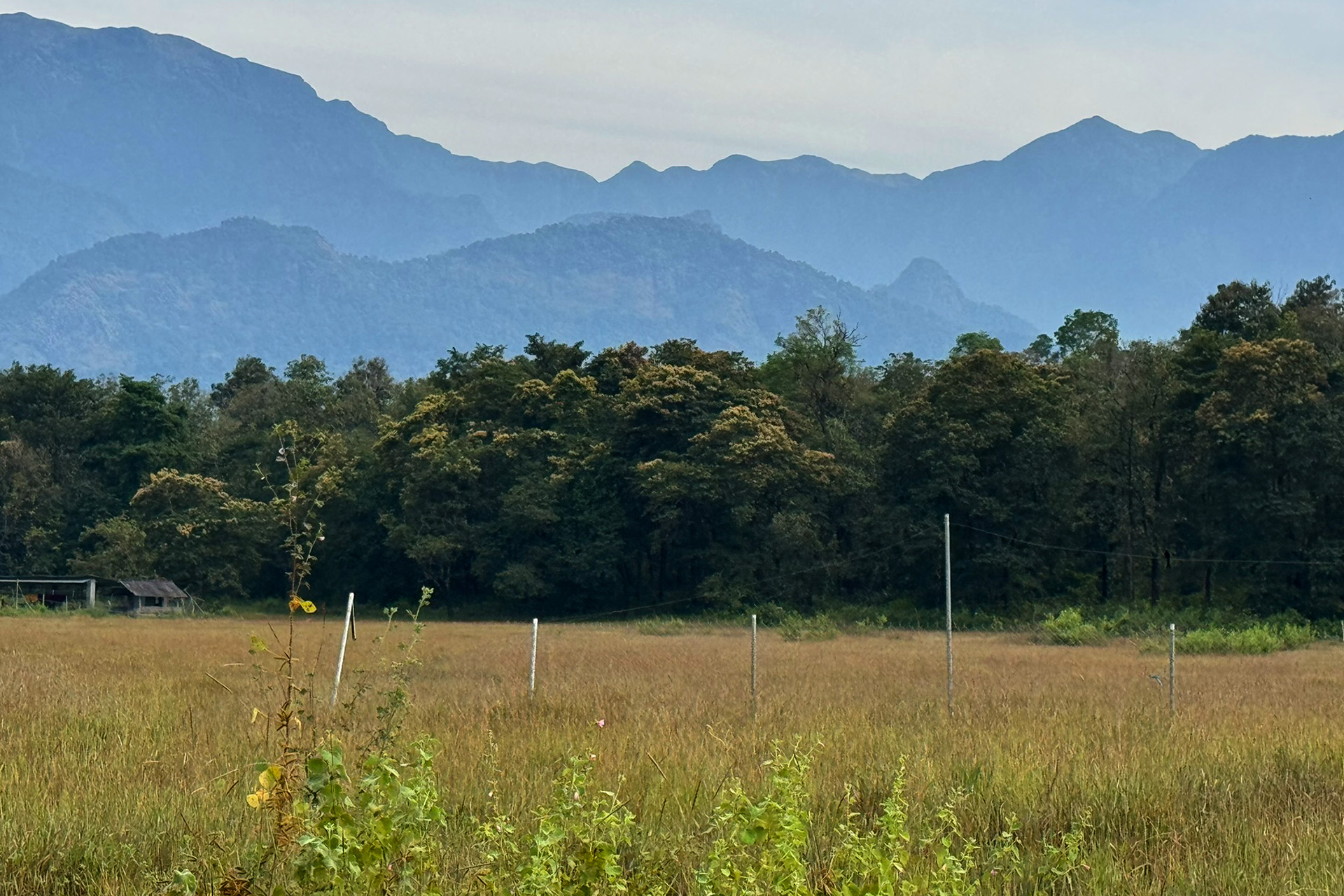
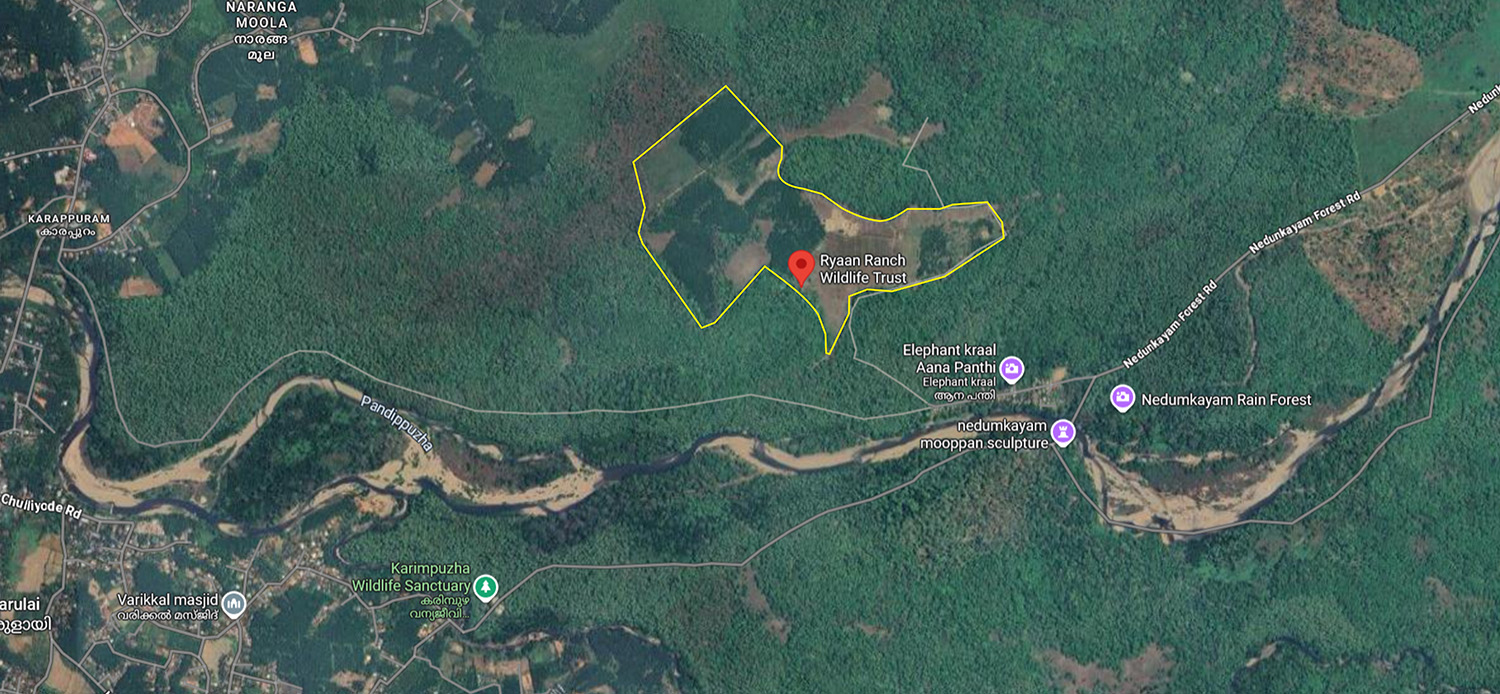
Bordering Nedumkayam Rain Forest and the Karimpuzha Wildlife Sanctuary, above the Pandippuzha river in Karulai, Kerala.
Explore Our Land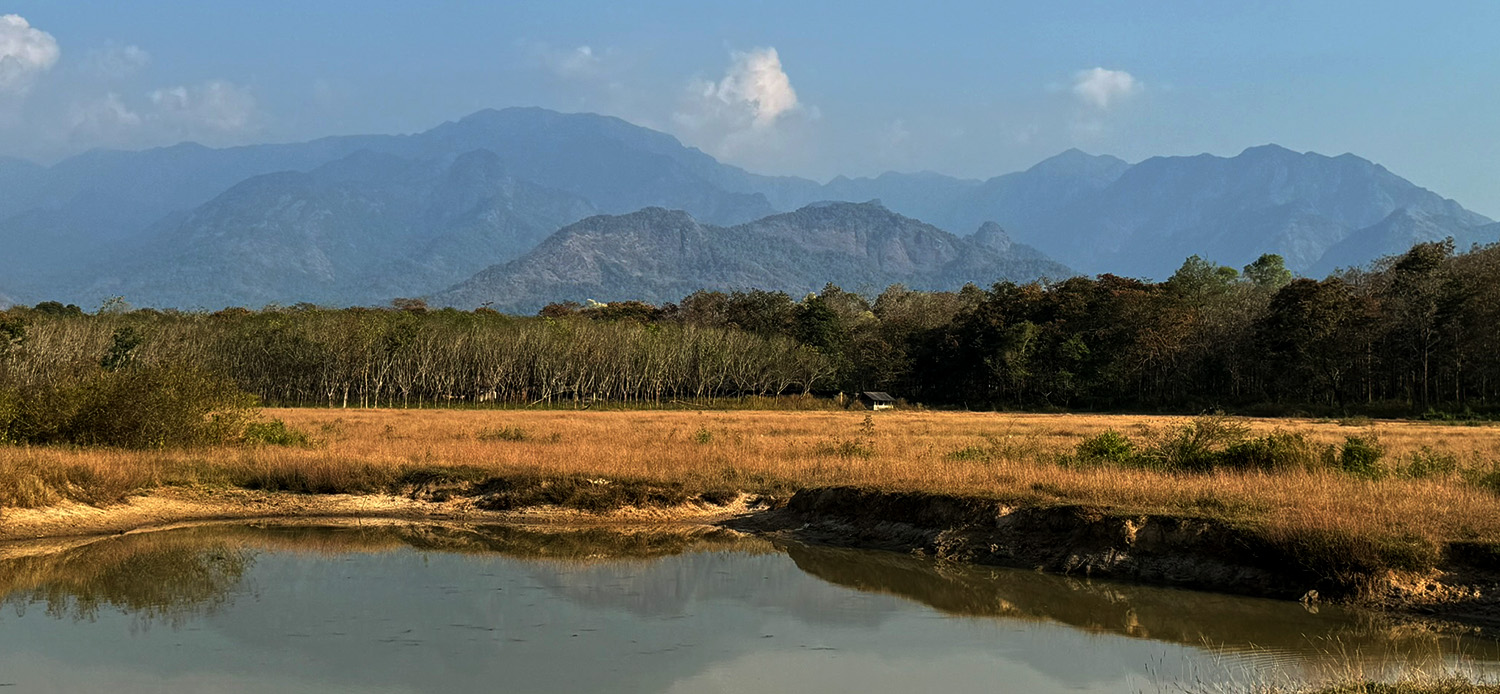
Open meadows and seasonal ponds restored so wildlife has food, water and room to move.
Our Conservation Work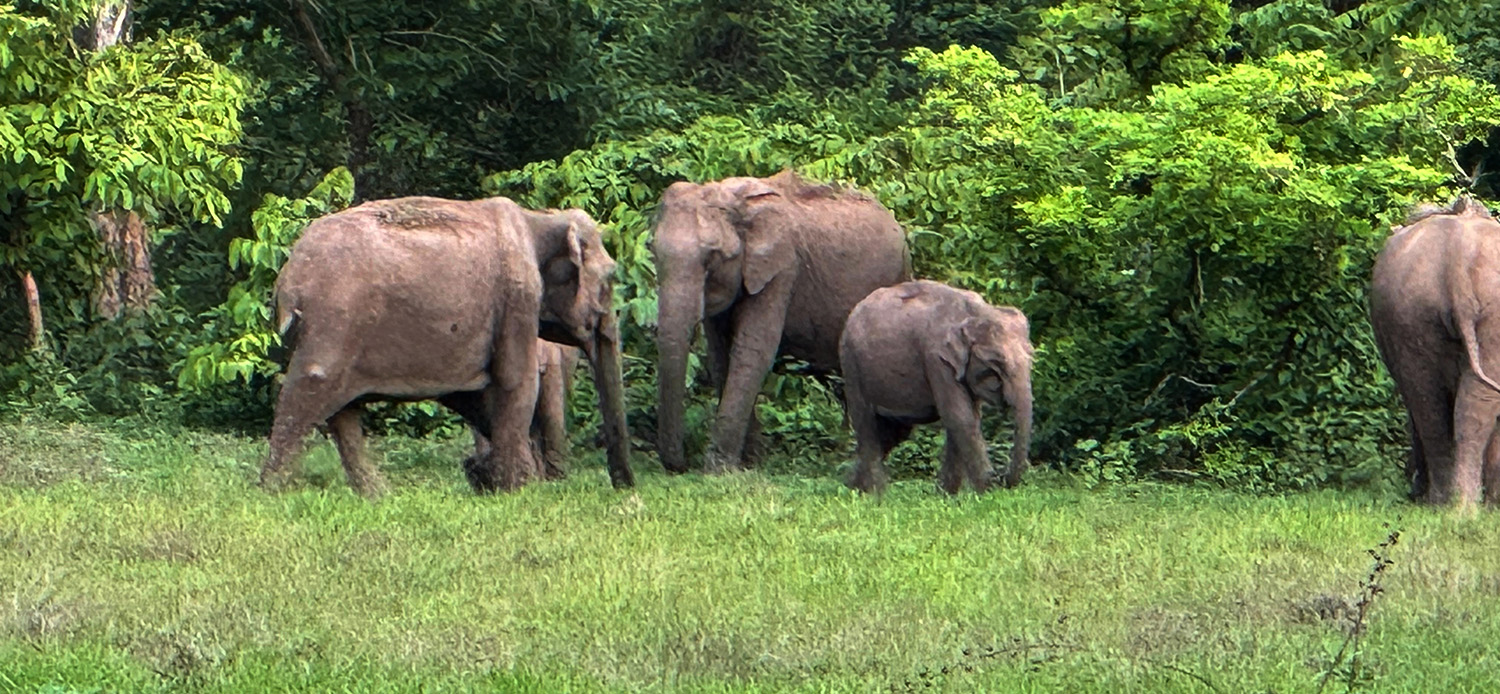
Elephant families move and graze through the ranch as part of a natural corridor we protect.
Meet the ElephantsRyaan Ranch began with a simple understanding: conservation needs more than protected forests. It needs responsible stewardship, community participation and practical action.
The Trust was established to create a long-term conservation initiative around the landscape and its wildlife.
Our work brings together habitat restoration, water conservation, tree planting, wildlife rescue, field monitoring, awareness and community engagement.
We believe privately managed land can play a meaningful role in conservation when it is managed responsibly and with an understanding of the wider landscape.
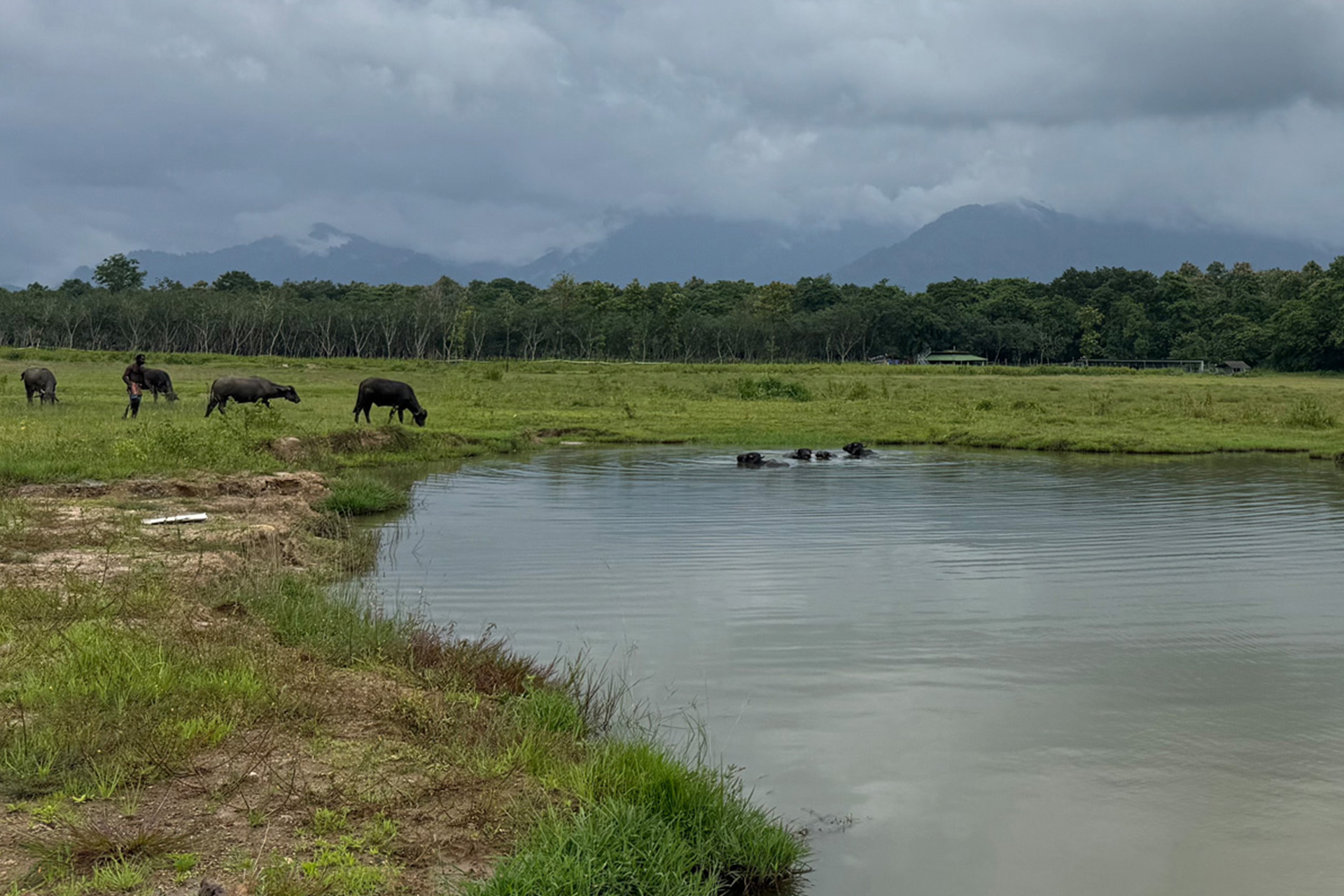
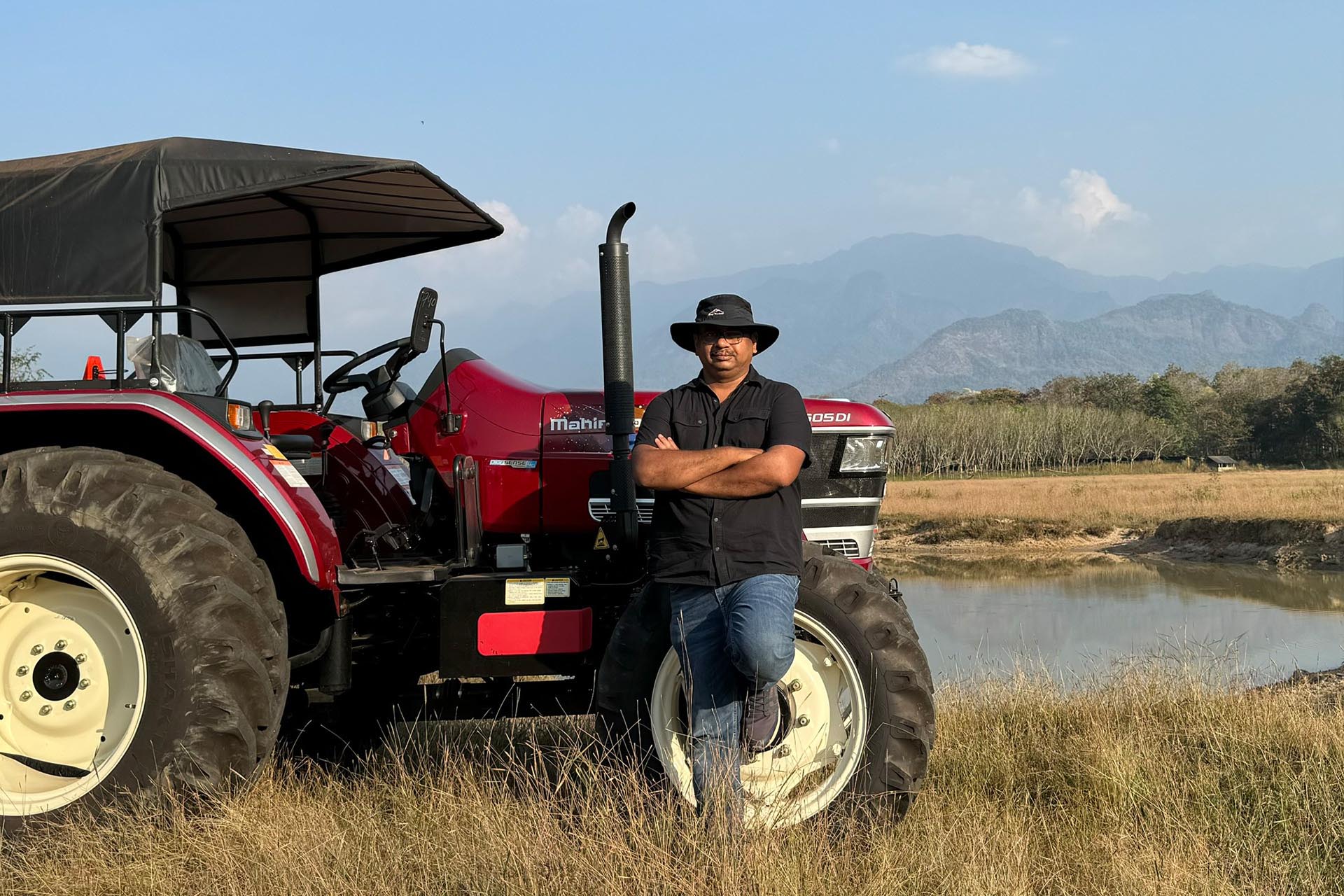
His vision is to create safe spaces where wildlife can move naturally, habitats can recover and communities can participate in protecting the landscape.
The aim is not to isolate wildlife from people. It is to improve the conditions for coexistence.
This vision also extends to education, research and responsible nature experiences that can help people better understand the importance of forests and wildlife.
Our mission is to protect nature, restore habitats and support communities while contributing to the conservation of wildlife and natural movement across the landscape.
Our vision is a future where healthy habitats, responsible land stewardship and informed communities create better opportunities for people and wildlife to coexist.

Safeguard the forest-edge habitat, water sources and natural character of the landscape we work within.

Improve degraded areas through responsible land stewardship, vegetation restoration and continued care.

Support the natural movement of elephants and other wildlife rather than restricting it.

Build awareness, participation and shared responsibility with the people who share this landscape.
Develop research, education and conservation capability that lasts well beyond a single project.
Make informed, practical conservation decisions that balance the needs of wildlife, habitats and communities.