
info@ryaanranch.org
Vikaspuri, West Delhi, India
Rescue Rangers
Rescue Rangers
Ready When Help is Needed
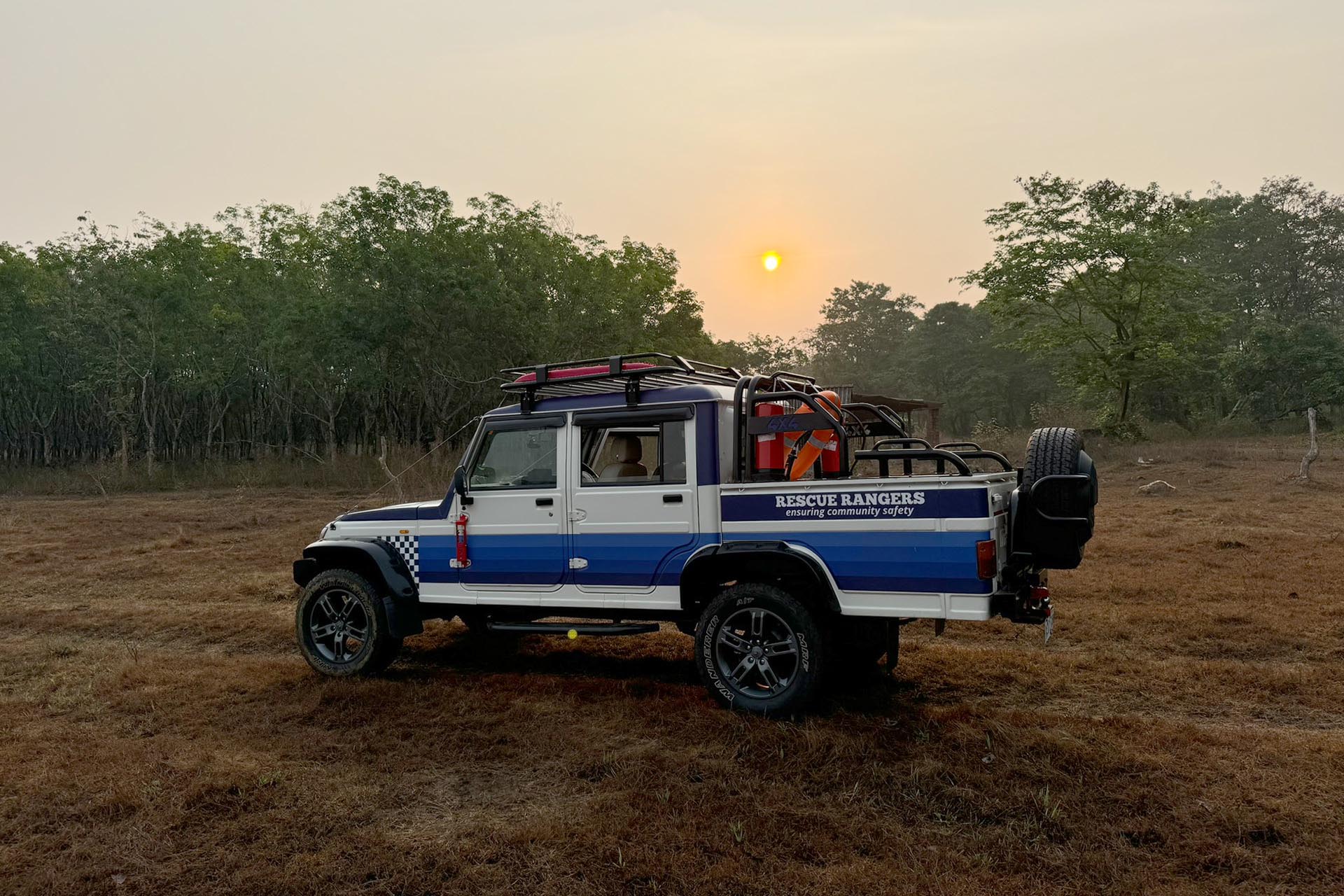
Rescue Rangers is an operational initiative of Ryaan Ranch Wildlife Trust created to support wildlife rescue, emergency response, disaster relief and community response.
Conservation is usually a long-term process, but emergencies require immediate and responsible action.
Rescue Rangers brings a practical response dimension to Ryaan Ranch's conservation work. Its activities are connected to situations where wildlife, communities or the surrounding environment may require assistance.
The initiative is built around responsibility, coordination and safety.
If you encounter an animal emergency
Wild animals should never be approached or handled by untrained members of the public. Contact the appropriate authorities and follow responsible safety guidance.
What We Do
Four Areas of Response

Wildlife Rescue
Rescue situations can be unpredictable, particularly when an animal is injured, trapped, distressed or surrounded by people. Rescue Rangers supports appropriate response and coordination with relevant authorities and professionals.

Emergency & Disaster Response
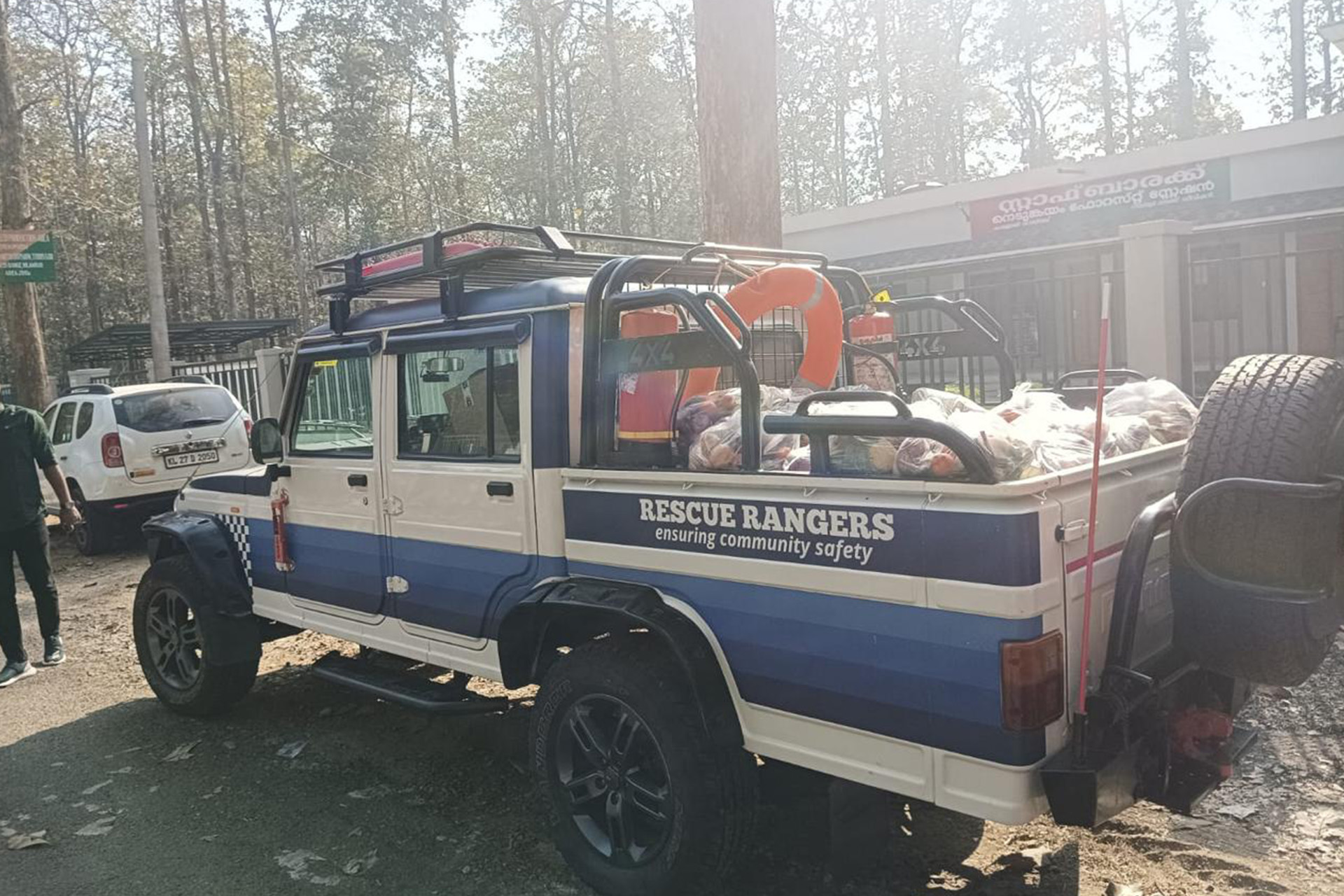
Floods, fires, extreme weather and other incidents may require rapid communication and practical support. Rescue Rangers provides an additional response capability while respecting the role of government agencies and established emergency systems.

Community Response
Communities living close to forests are often the first to notice wildlife movement or an emerging emergency. We work to strengthen awareness and communication so people know how to respond safely.

Volunteer Support
Volunteers can support Rescue Rangers in appropriate roles including awareness activities, documentation, logistics, community programs and habitat work.
Our Objective
Help When Genuine Assistance is Required
The objective is not unnecessary intervention. It is to help when genuine assistance is required.
Rescue Rangers is intended to provide an additional response capability while respecting the role of government agencies and established emergency systems.
Responsible communication can help information reach the right people, which is why community awareness is as much a part of the initiative as field response.
Volunteer Program
Supporting the Work Safely
Volunteers can support Rescue Rangers and wider Ryaan Ranch activities in appropriate roles. Depending on program requirements, this may include:
- Conservation awareness activities
- Field and activity documentation
- Logistics and coordination support
- Community programs
- Habitat and restoration work
- Other approved forms of support
Volunteers are never expected to rescue wildlife
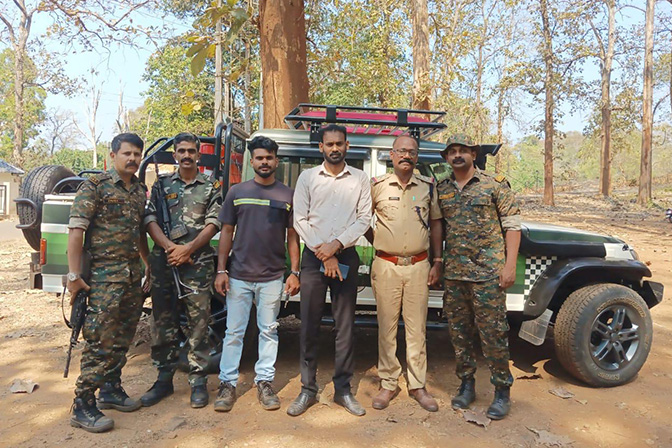
Volunteers are not expected to independently approach or rescue wildlife. Safety and responsible coordination come first.
Looking Ahead
Rescue Stories and Building Capacity
Rescue Stories
Every rescue has something to teach us. Our future Rescue Stories section will document genuine field experiences, response efforts and lessons learned. We want these stories to create understanding rather than sensationalize wildlife incidents.
Building Capacity
Rescue Rangers is already operational, but its capabilities will continue to develop. Future priorities may include training, equipment, field documentation, volunteer networks and stronger coordination.
When wildlife or communities need responsible support, be prepared to help.

Volunteer
Support Rescue Rangers
Tell us about your skills, interests and availability, and we will assess suitable opportunities.
Volunteer With Us