
info@ryaanranch.org
Vikaspuri, West Delhi, India
Our Land
A Forest-Edge Landscape With a Purpose
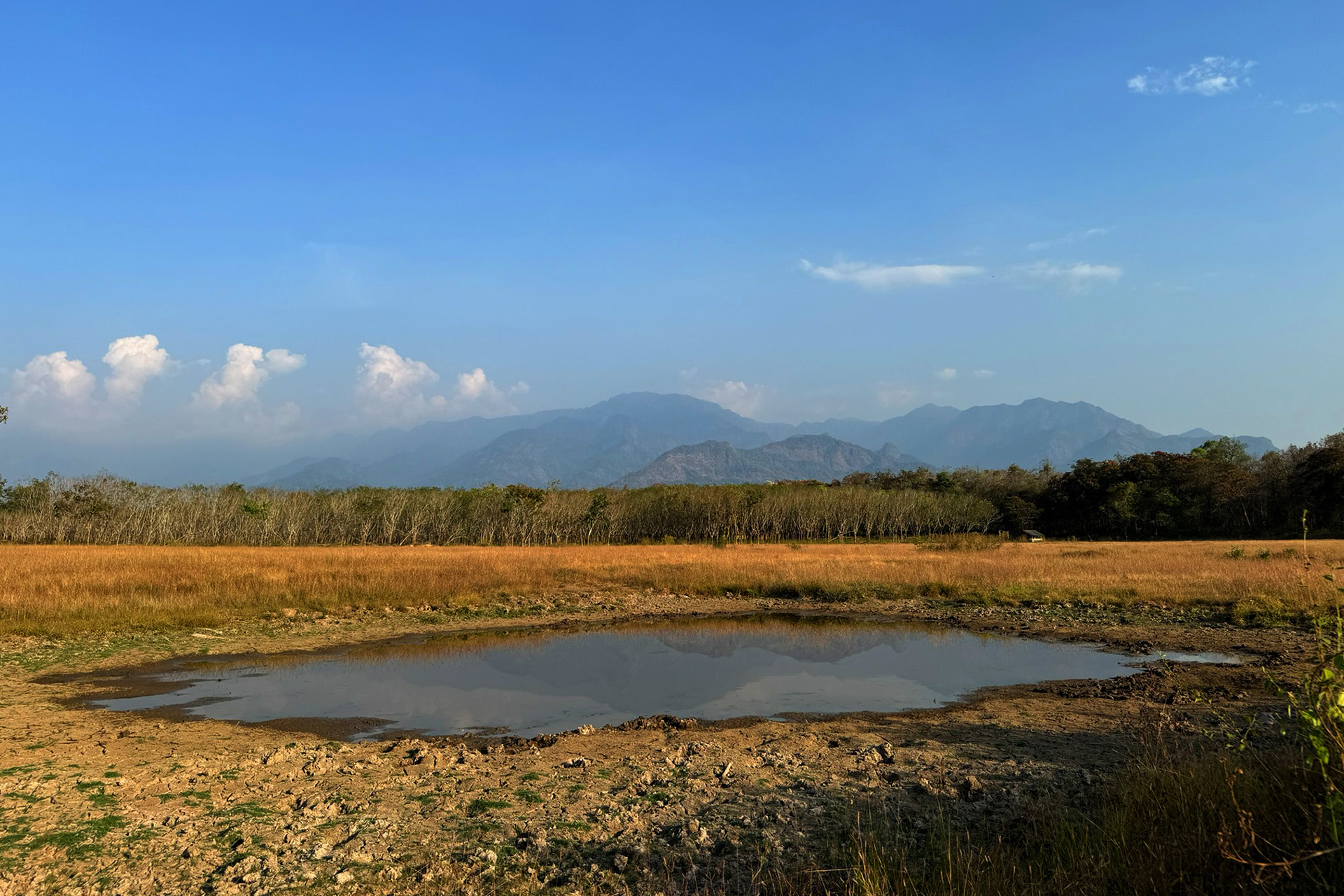
Ryaan Ranch Wildlife Trust works from approximately 50 acres of privately owned agricultural land leased at Shankarkode, near the Nedumkayam Forest in Karulai, Malappuram, Kerala.
For Ryaan Ranch, this land is more than a physical location. It is part of a wider forest-edge landscape where water, vegetation, wildlife and communities are closely connected.
Our responsibility is to manage the land thoughtfully, restore suitable areas and contribute to the wider ecological character of the landscape.
50
Acres of leased land under stewardship
227.97
sq km of Karimpuzha Wildlife Sanctuary nearby
2025
Year the Trust was registered
1882
Indian Trusts Act under which we are registered
The 50-Acre Ryaan Ranch
The Foundation of Our Conservation Work
The leased land provides the foundation for Ryaan Ranch's conservation activities.
The property includes natural water sources and a pond, while additional water bodies are being developed to improve water availability.
Habitat restoration, tree planting and responsible land stewardship are part of the Trust's approach to strengthening the landscape.
We recognize that the ecological value of the land extends beyond its boundaries. What happens within the property is connected to what happens in the surrounding landscape.
Nedumkayam-Karulai Landscape
Where Forest and Farmland Meet
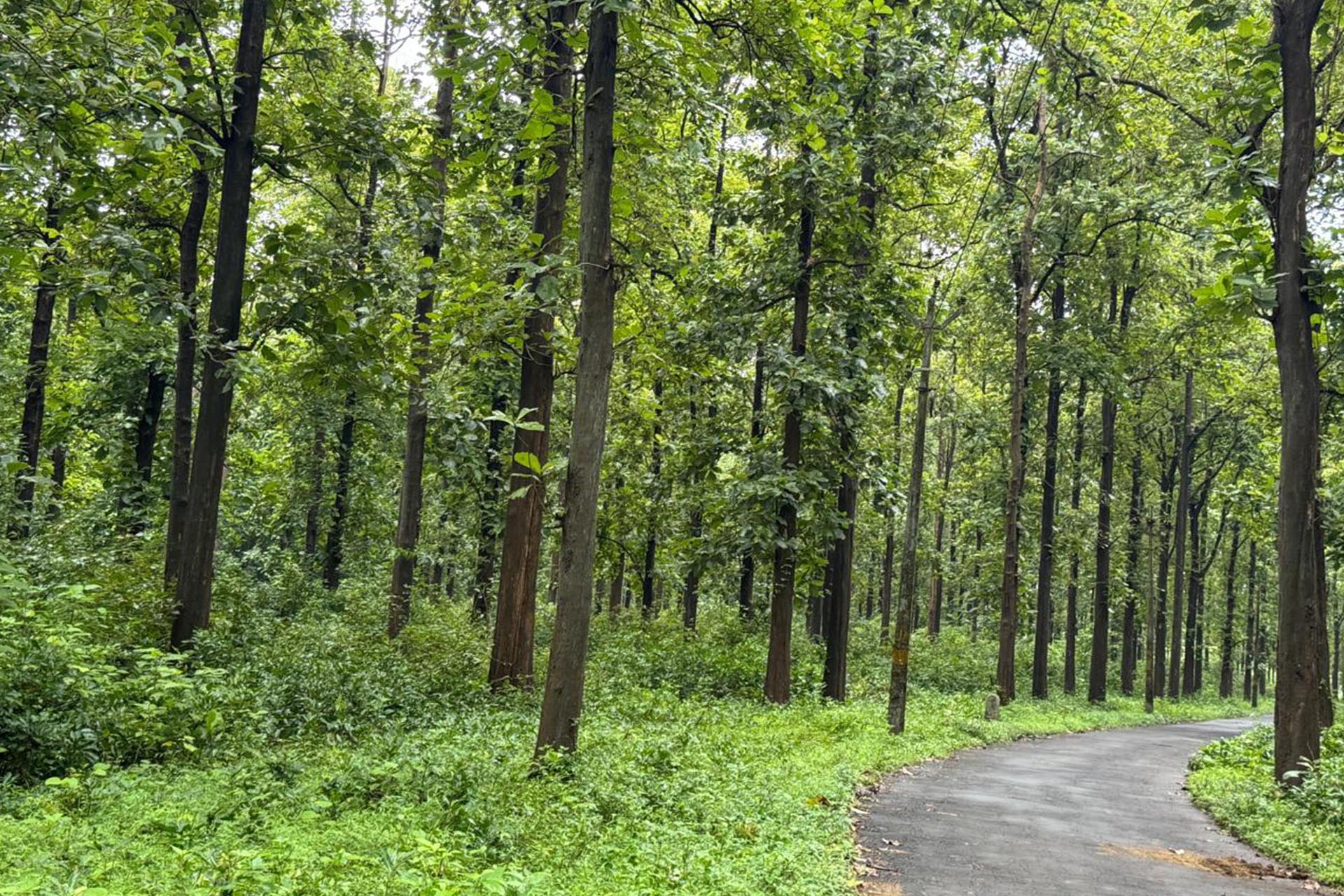
Ryaan Ranch sits near the Nedumkayam Forest in Karulai, within a wider landscape of the Western Ghats.
This forest-edge environment is regularly used by wild elephants and provides habitat for many forms of wildlife.
The relationship between forest and adjoining land is important. Wildlife may move between different areas according to food, water, season and other natural conditions.
Understanding this movement is essential to responsible conservation.
Karimpuzha Wildlife Sanctuary
Part of a Larger Ecological Network
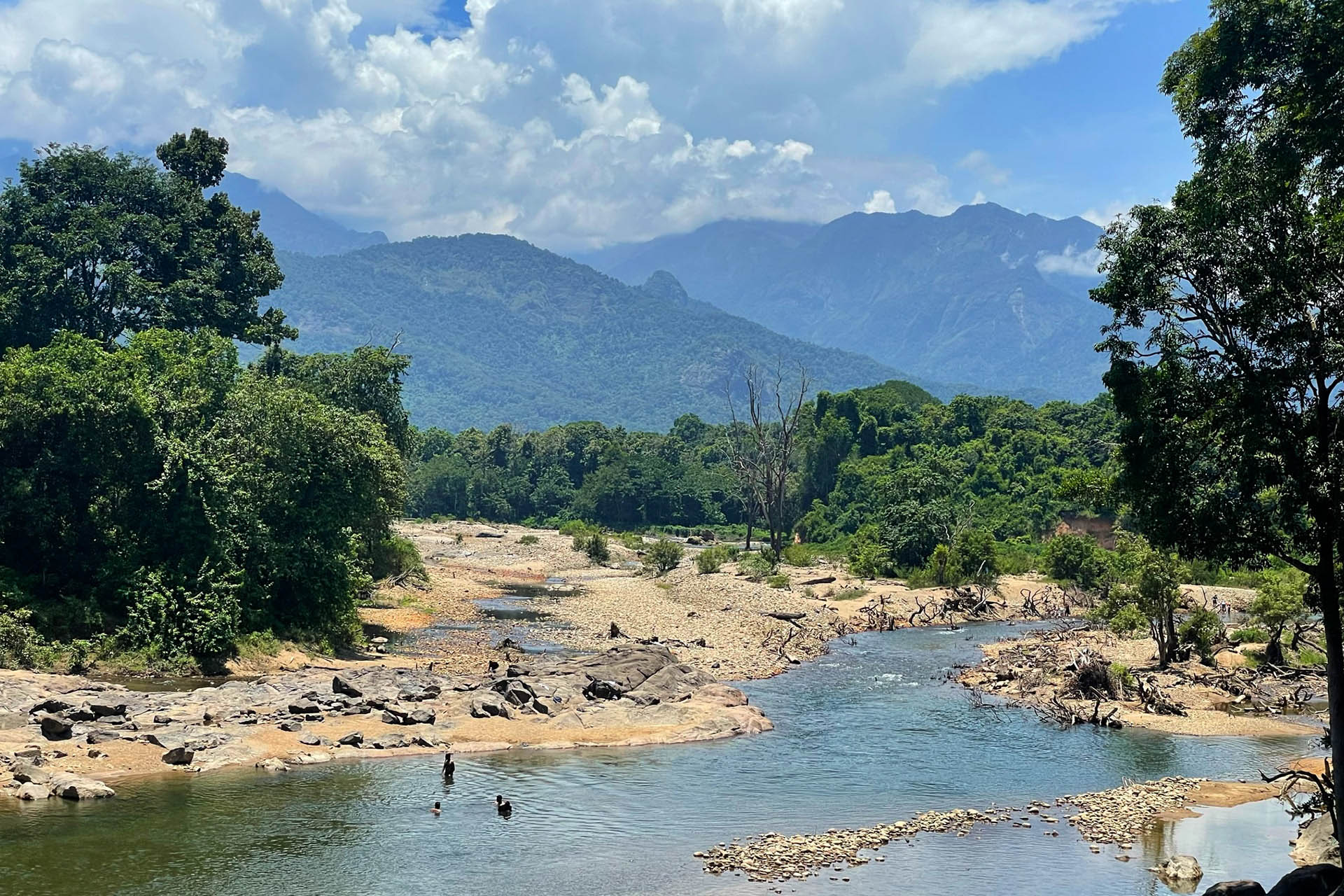
The wider landscape is associated with Karimpuzha Wildlife Sanctuary, an important protected area within the Western Ghats and part of the Nilgiri Biosphere Reserve.
The sanctuary covers approximately 227.97 square kilometres and forms part of a larger ecological network of forests and natural habitats.
The surrounding landscape supports Asian elephants along with many other species.
Ryaan Ranch's conservation approach recognizes the importance of this wider ecological context.
Forests, Rivers & Streams
Water Sustains the Whole Landscape

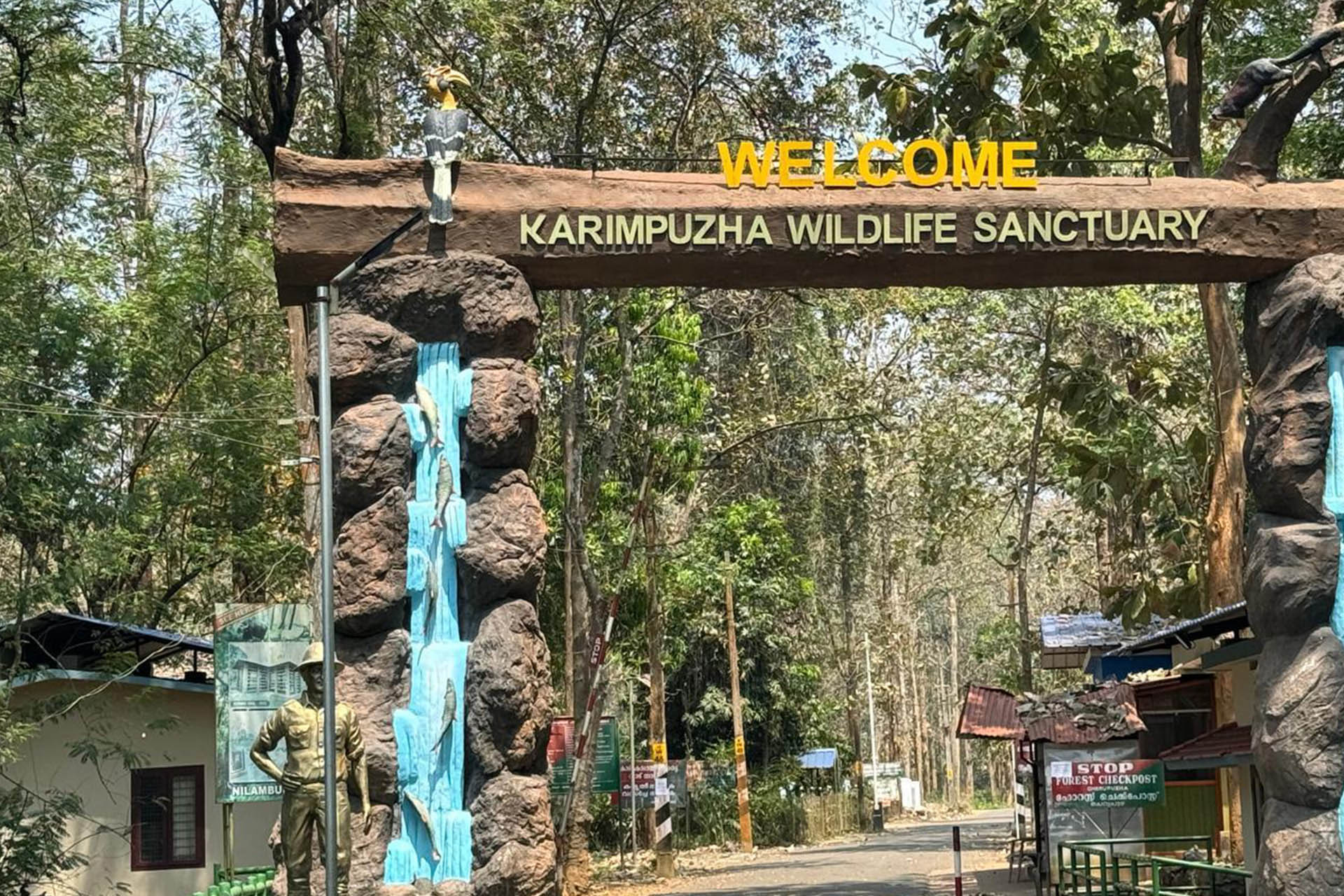
The Karimpuzha River
The river, forest streams and natural water sources help sustain the landscape and the wildlife that depends on it.

Water and Vegetation
Water supports vegetation, wildlife and the ecological processes that connect different parts of the forest.

Protecting Water Is Protecting Habitat
Our water conservation work is intended to complement the natural resources already present within the landscape.
Wildlife Movement
Supporting Movement, Not Restricting It
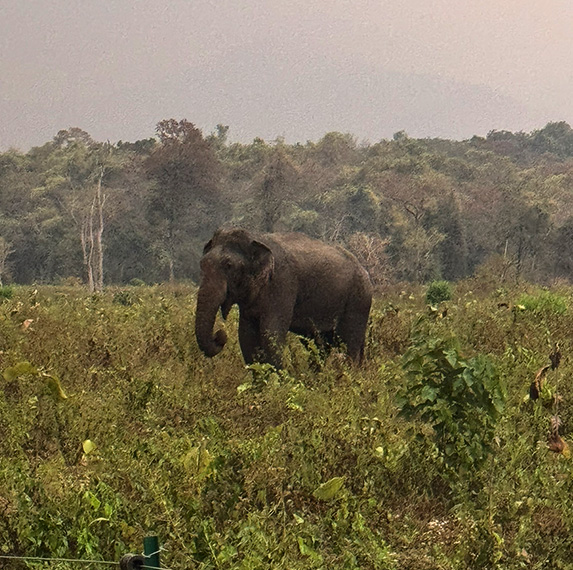
Wildlife movement is a natural part of the forest ecosystem.
Elephants in particular require extensive areas to move between feeding and water sources and other suitable habitats.
Ryaan Ranch seeks to support natural movement rather than restrict it.
Safe Spaces for Wildlife
What Creating Safe Space Means in Practice
Creating safe spaces means maintaining suitable habitat, protecting water resources, restoring degraded areas and reducing unnecessary disturbance. It also means working with communities and relevant authorities.
- Maintaining suitable habitat across the forest-edge landscape
- Protecting natural water sources and developing additional water bodies
- Restoring degraded areas through responsible land stewardship
- Reducing unnecessary disturbance to wildlife and their movement routes
- Working with local communities around Karulai and Nedumkayam
- Coordinating with the Kerala Forest Department and relevant authorities
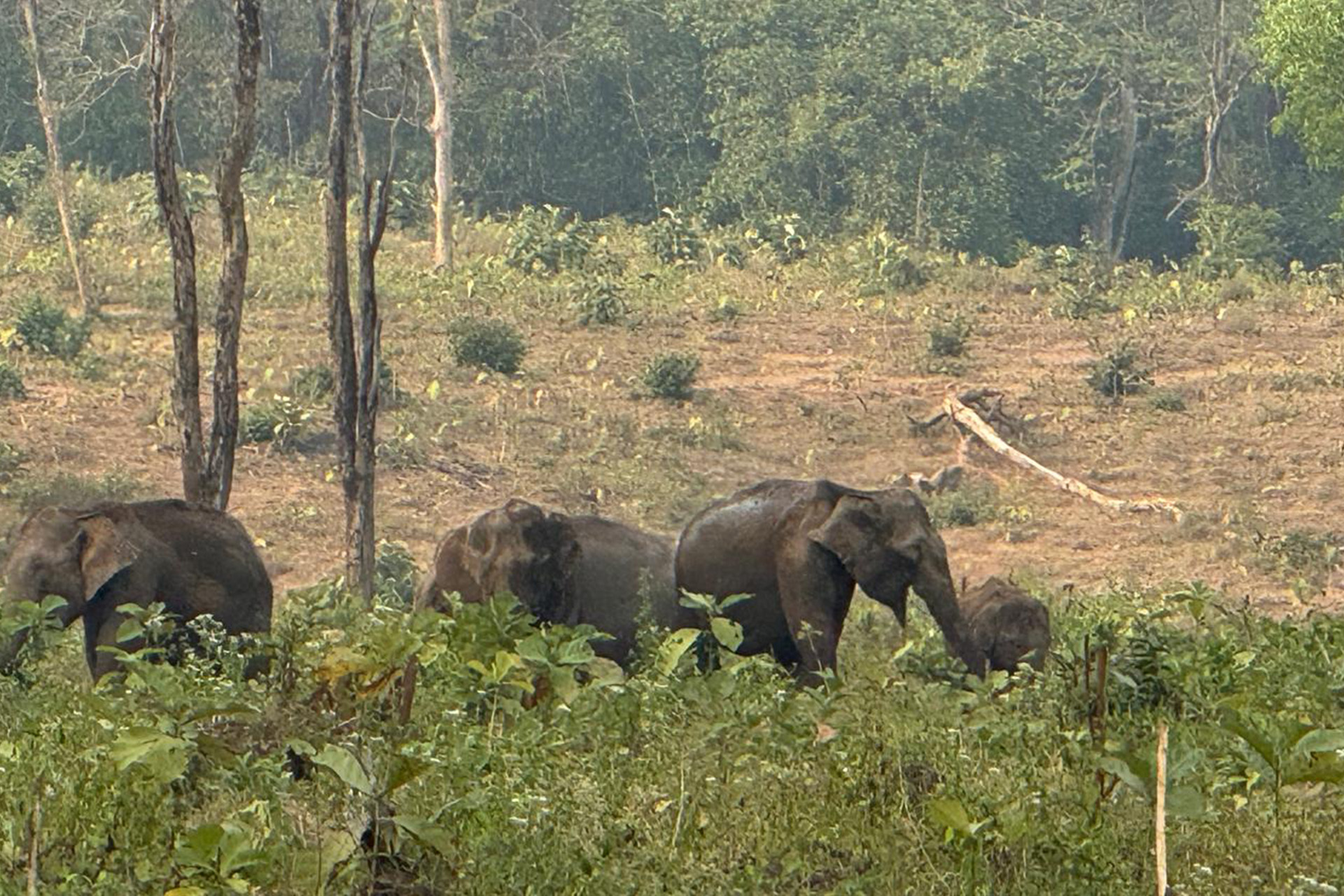
The land comes first. Conservation begins there.
Our goal is not to control wildlife. It is to contribute to a landscape where wildlife can move naturally and communities have better opportunities to coexist safely.
Conservation
See How We Work Across This Landscape
Habitat restoration, water conservation, elephant conservation and community engagement.
Explore Conservation